
Wind turbines are fascinating structures that turn the kinetic energy of the wind into usable electrical energy, making them key players in the renewable energy landscape. With a rich history that dates back centuries, the evolution of wind energy technology has brought us to a point where these towering giants are becoming increasingly common sights on land and offshore.
The main components of a wind turbine, including the rotor, generator, and tower, work together seamlessly to convert wind into electricity. Understanding how these elements function not only deepens our appreciation of wind energy but also highlights its importance in addressing climate change and promoting sustainability.
Introduction to Wind Turbines
Wind turbines are devices that convert kinetic energy from the wind into mechanical energy, which can then be transformed into electricity. Their primary purpose is to harness renewable energy from the wind, contributing to sustainable power generation and reducing reliance on fossil fuels. As a key player in the transition to cleaner energy, wind turbines play an essential role in combating climate change and promoting energy independence.The historical development of wind energy technology dates back thousands of years, with early applications of windmills used for grinding grain and pumping water.
The modern wind turbine, however, began to take shape in the late 19th century with the advent of electricity. The first electricity-generating wind turbine was built in 1887 by James Blyth in Scotland, followed by Charles F. Brush’s design in the United States in 1888. Over the years, advancements in materials, aerodynamics, and engineering have significantly improved the efficiency and output of wind turbines, leading to widespread adoption in the late 20th century.
Main Components of a Wind Turbine
Understanding the main components of a wind turbine is crucial for grasping how these machines operate and generate electricity. Each component has a specific function in the overall system, contributing to the efficiency and effectiveness of energy conversion. Below are the key components and their roles:
- Rotor Blades: These large blades capture wind energy and convert it into rotational motion. The design and materials of the blades are engineered for optimal aerodynamics and durability.
- Nacelle: This is the housing located at the top of the tower, which contains the key mechanical and electrical components, including the gearbox and generator. The nacelle plays a crucial role in converting the mechanical energy from the rotor into electrical energy.
- Gearbox: The gearbox increases the rotational speed of the rotor’s motion, enabling the generator to produce electricity effectively. It consists of various gears that adjust the torque and speed.
- Generator: The generator converts mechanical energy from the gearbox into electrical energy through electromagnetic induction. This electricity is then transmitted to the grid or stored for later use.
- Tower: The tower supports the nacelle and rotor blades, elevating them to a height where wind speeds are typically higher and more consistent. Towers are designed to withstand extreme weather conditions and provide stability.
- Control System: This system monitors and adjusts the operation of the turbine, ensuring it operates efficiently and safely. It includes features such as pitch control, which adjusts the angle of the blades to optimize performance based on wind conditions.
The interconnection of these components forms a complex yet efficient system that captures wind energy and converts it into a clean, renewable source of power. Through ongoing technological advancements, wind turbines are becoming increasingly efficient, with current models capable of generating significant amounts of electricity even in relatively low wind conditions.
Types of Wind Turbines
Wind turbines are essential for converting wind energy into usable electricity, and they come in various designs to cater to different environments and energy needs. Understanding the types of wind turbines available is crucial for selecting the right one for a specific application. There are primarily two types of wind turbines: horizontal-axis wind turbines (HAWT) and vertical-axis wind turbines (VAWT).
Each design has its unique characteristics, advantages, and disadvantages that affect their performance, maintenance, and suitability for different locations.
Horizontal-Axis Wind Turbines (HAWT)
Horizontal-axis wind turbines are the most common type seen in wind farms. They have blades that rotate on a horizontal axis, similar to a traditional windmill. These turbines are typically mounted on tall towers to capture higher wind speeds.Key advantages of HAWT include:
- Higher Efficiency: HAWTs generally have a higher energy conversion efficiency compared to VAWTs, often exceeding 45% in optimal conditions.
- Better Performance in High Wind Areas: These turbines are more effective in regions with consistent and strong winds, making them ideal for large-scale wind farms.
- Established Technology: HAWTs benefit from advanced technology and extensive research, resulting in reliable performance and long operational lifespans.
However, HAWTs also have some disadvantages:
- Maintenance Challenges: The height and mechanical complexity can make maintenance more difficult and expensive.
- Noise Pollution: HAWTs can produce significant noise, which may be a concern in residential areas.
- Visual Impact: Their large size can affect the landscape, leading to opposition from communities.
Vertical-Axis Wind Turbines (VAWT)
Vertical-axis wind turbines have blades that rotate around a vertical axis. They come in various designs, including the Darrieus and Savonius models, which contribute to their versatility.Advantages of VAWTs include:
- Omni-Directional: VAWTs can capture wind from any direction, eliminating the need for active yaw control.
- Lower Maintenance Needs: With most components located closer to the ground, VAWTs are easier and cheaper to maintain.
- Quieter Operation: They generally produce less noise compared to HAWTs, making them more suitable for urban settings.
However, they are not without drawbacks:
- Lower Efficiency: VAWTs typically have lower efficiency ratings, usually between 25% to 35%, limiting their energy output.
- Poor Performance in High Winds: These turbines may struggle in very high wind speeds, making them less reliable in certain environments.
- Less Established Technology: VAWTs are not as widely used or understood as HAWTs, leading to fewer available models and less optimization.
Efficiency Comparison Table
The efficiency of various turbine models can significantly impact energy production. The following table compares some well-known models in terms of efficiency, design type, and power output.
| Turbine Model | Type | Efficiency (%) | Power Output (kW) |
|---|---|---|---|
| GE 1.5sle | HAWT | 45 | 1500 |
| Siemens Gamesa SG 1.4-132 | HAWT | 49 | 1400 |
| Vertiwind VAWT | VAWT | 30 | 300 |
| Urban Green Energy UGE-4K | VAWT | 28 | 4000 |
Understanding these types and their efficiencies helps in making informed decisions for wind energy projects based on specific needs and conditions.
Wind Turbine Operation
Wind turbines are remarkable machines designed to harness the energy from wind and convert it into electrical power. Understanding how they operate is essential to appreciating their role in renewable energy generation. This section dives into the mechanics behind this energy conversion, emphasizing the function of the generator within the turbine system.
Mechanics of Energy Conversion
Wind turbines operate based on a straightforward principle: they convert kinetic energy from wind into mechanical energy, which is then transformed into electrical energy. The process begins when the wind turns the blades of the turbine. This rotational motion is transmitted to the gearbox, which increases the rotational speed before passing it to the generator.The generator plays a crucial role in this system.
As it receives the mechanical energy from the turbine, it converts it into electrical energy through electromagnetic induction. The essential components involved in this conversion process include:
- Rotor: The rotor consists of the blades and hub, which capture the wind energy.
- Gearbox: This unit boosts the rotational speed of the rotor to match the generator’s operational requirements.
- Generator: The generator converts mechanical energy into electrical energy, critical for powering homes and businesses.
- Control System: This monitors and adjusts the turbine’s operations based on wind conditions to optimize energy production.
The efficiency of a wind turbine is largely determined by the design of its blades and the generator, which must work in harmony to maximize energy output from available wind resources.
Flowchart of Energy Conversion Process
To illustrate the energy conversion process in wind turbines effectively, consider the following flowchart description:
1. Wind Energy
The process begins with wind, which is a renewable resource.
2. Blade Rotation
Wind causes the blades to rotate, capturing kinetic energy.
3. Mechanical Energy
The mechanical energy from the rotating blades is transmitted to the drivetrain.
4. Gearbox
The gearbox increases the rotational speed, preparing the energy for conversion.
5. Generator
The generator converts mechanical energy into electrical energy using electromagnetic induction.
6. Electrical Energy Output
The generated electricity can then be fed into the grid or used locally.This flowchart highlights the simplicity and effectiveness of wind turbines in converting natural energy into usable power, showcasing the synergy between mechanical components and electrical generation.
Environmental Impact of Wind Turbines
Wind turbines play a significant role in the broader context of renewable energy, particularly in their ability to mitigate climate change. As the world grapples with the consequences of fossil fuel consumption, the shift towards wind energy offers a cleaner alternative that can drastically reduce greenhouse gas emissions. However, it’s essential to balance these benefits against potential drawbacks, particularly regarding wildlife and ecosystem impacts.
Positive Effects on Carbon Emissions
Wind energy is a key factor in the reduction of carbon emissions. By harnessing the kinetic energy of wind, turbines generate electricity without burning fossil fuels, which is a primary source of carbon dioxide (CO2) emissions. This shift to renewable energy sources contributes to significant decreases in overall greenhouse gas emissions.
- The U.S. Department of Energy reports that wind energy reduced carbon emissions by over 329 million metric tons in 2020.
- In terms of scale, this reduction is equivalent to taking 70 million cars off the road for an entire year.
- Transitioning to wind energy can lead to a cumulative reduction of CO2 emissions by approximately 5 billion metric tons by 2050, based on current growth trends.
The benefits of wind energy extend beyond just carbon reduction; it contributes to cleaner air and a healthier environment, which can lead to improved public health outcomes.
Potential Negative Impacts on Wildlife and Ecosystems
While wind energy is largely beneficial, it is vital to acknowledge the potential adverse effects on wildlife and ecosystems. Wind farms can pose risks to birds and bats, which can collide with turbine blades.
- Studies indicate that approximately 140,000 to 328,000 birds die each year in the U.S. due to wind turbine collisions.
- Bats are particularly vulnerable, with estimates suggesting that wind turbines could be responsible for the deaths of between 600,000 to 900,000 bats annually in North America.
In addition to direct collisions, wind farms can impact local wildlife habitats and migration patterns. The construction and maintenance of these facilities often require significant land use, which can disrupt the natural ecosystem.
Land Use and Habitat Preservation
The land use associated with wind farms plays a crucial role in their environmental footprint. Wind turbines require substantial land for their installation, yet they also provide benefits in terms of habitat preservation when managed appropriately.
- A typical wind farm occupies about 1-2% of the land it uses for turbine placement, allowing for the coexistence of agricultural activities and wildlife habitats.
- Studies show that areas used for wind energy development have been successfully integrated into agricultural practices, with farmers earning additional income while preserving their land.
- Conservation strategies can enhance the coexistence of wind farms and local wildlife, demonstrating that wind energy can be aligned with ecological preservation.
The integration of wind energy into local ecosystems can potentially lead to better land management practices, ensuring that both energy production and wildlife conservation can thrive together.
Wind energy stands out as a primary avenue for reducing carbon emissions while promoting sustainable land use and habitat preservation.
Wind Energy Policy and Regulation
Wind energy has seen substantial growth driven by various policies and regulations that support its development across the globe. These frameworks aim to foster a sustainable energy landscape while promoting economic growth and energy independence. Governments at different levels play a pivotal role in shaping the wind energy sector through legislative measures, financial incentives, and regulatory oversight.
Policies Supporting Wind Energy Development
Multiple countries have enacted policies that provide a robust framework for wind energy development. These policies often include renewable energy targets, feed-in tariffs, and power purchase agreements.
- Renewable Energy Standards: Many nations have set ambitious goals for renewable energy usage, mandating a specific percentage of energy to come from renewable sources, including wind. For instance, Germany’s Energiewende policy aims to produce 80% of the country’s electricity from renewable sources by 2050.
- Feed-in Tariffs (FiTs): These tariffs guarantee a fixed payment for energy generated from renewable sources, encouraging investment in wind projects. Countries like Spain and France have successfully used FiTs to stimulate wind energy growth.
- Tax Credits: The production tax credit (PTC) in the United States offers financial incentives to wind power producers, enhancing the economic viability of new projects.
Regulatory Bodies Involved in Wind Energy Projects
Regulatory oversight is crucial in ensuring that wind energy projects comply with environmental standards and safety regulations. Key regulatory bodies often include national and regional energy departments, environmental agencies, and independent regulatory commissions.
- U.S. Energy Information Administration (EIA): Provides vital data and analysis on energy production and consumption, influencing policy decisions.
- Federal Energy Regulatory Commission (FERC): Oversees the interstate transmission of electricity, ensuring fair and equitable access to the grid for wind energy producers.
- National Renewable Energy Laboratory (NREL): Conducts research and provides resources to promote wind energy development and implementation.
Incentives and Subsidies for Wind Energy Projects
Incentives play a significant role in making wind energy projects financially viable. These can take the form of subsidies, tax credits, and grants which reduce the overall cost of installations.
- Investment Tax Credit (ITC): In the U.S., this credit allows project developers to deduct a significant percentage of installation costs from their federal taxes, thus encouraging more investments in wind technologies.
- Green Certificates: Many countries offer tradable renewable energy certificates to promote investment in wind energy. These certificates can be sold to energy suppliers looking to fulfill regulatory requirements.
- Research and Development Grants: Governments often fund R&D initiatives aimed at improving wind technology efficiency and reducing costs, thereby further boosting the sector’s growth potential.
“Policies and regulations are essential for creating a stable and predictable environment that encourages investment in renewable energy sources, particularly wind.”
Economic Aspects of Wind Turbines
The economic aspects of wind turbines encompass a wide range of considerations, from installation costs to the long-term financial benefits for communities. As renewable energy sources become increasingly essential in combating climate change, understanding the economic viability of wind energy is crucial for stakeholders, policymakers, and residents alike.The cost-effectiveness of wind energy projects often hinges on several factors, including the initial investment for turbine installation, maintenance costs, and overall energy output.
Over the years, the prices for wind turbine technology have significantly decreased, leading to improved returns on investment. According to the U.S. Department of Energy, the cost of onshore wind power has dropped by 70% since 2009. This decline in pricing, combined with technological advancements, has made wind energy one of the most competitive sources of electricity generation in many regions.
Economic Benefits for Local Communities
Wind energy projects offer substantial economic benefits to local communities, enhancing their economic resilience and fostering job creation. When a wind farm is established, it not only generates clean energy but also stimulates the local economy in various ways. The following points highlight the economic impact of wind energy on local economies:
- Increased tax revenue for local governments, which can be allocated for public services such as education, infrastructure, and emergency services.
- Boost in local businesses through increased demand for materials, services, and accommodations for workers involved in construction and maintenance.
- Stabilization of energy costs for residents and businesses, providing a predictable energy source that can lead to lower electricity bills.
- Enhanced property values as communities become more attractive places to live, work, and invest due to the presence of green technology.
- Long-term job opportunities in areas such as manufacturing, installation, operations, and maintenance of wind turbines.
The wind energy sector is a significant contributor to job creation, supporting a diverse array of roles that span from technical to administrative positions. The following list illustrates some of the job opportunities generated by the wind energy sector:
- Turbine Technicians: Skilled professionals responsible for the installation, maintenance, and repair of wind turbines.
- Engineers: Individuals involved in the design and optimization of wind turbine technology and systems.
- Project Managers: Experts who oversee the development and execution of wind energy projects from inception to completion.
- Environmental Consultants: Specialists who assess the environmental impact of wind projects and ensure compliance with regulations.
- Supply Chain Coordinators: Professionals who manage the logistics and procurement of materials necessary for turbine manufacturing and installation.
- Research Analysts: Individuals who study market trends, technology advancements, and policy impacts related to wind energy.
- Administrative Support: Personnel who handle the day-to-day operations and business functions of wind energy companies.
The growth of the wind energy industry not only provides jobs but also fosters skills development and workforce training, ensuring a sustainable career path for many individuals in the renewable energy sector.
Future of Wind Turbines
The future of wind turbines promises exciting innovations and advancements that could reshape the landscape of renewable energy. As technology evolves, the design and efficiency of wind turbines are set to improve significantly, addressing both energy production and environmental considerations. This section explores the emerging technologies and potential growth in offshore wind energy, alongside predictions for the wind energy market in the coming decade.
Emerging Technologies and Innovations in Wind Turbine Design
Recent advancements in wind turbine design focus on enhancing efficiency and reducing costs. Innovations such as larger rotor blades and advanced materials are making turbines more effective at harnessing wind energy. Vertical-axis wind turbines (VAWTs), for instance, offer unique advantages in urban settings where space is limited and wind conditions are variable. Key developments include:
- Composite Materials: The use of lightweight, durable materials helps reduce the overall weight of turbines while increasing their lifespan and performance.
- Sensors and IoT Integration: Smart technology allows for real-time monitoring and predictive maintenance, increasing reliability and reducing downtime.
- Digital Twins: This technology creates virtual models of turbines to simulate performance under various conditions, aiding in design optimization.
Advancements in Offshore Wind Energy
Offshore wind energy is poised for remarkable growth, particularly as countries invest in expanding their renewable energy portfolios. The potential for capturing stronger and more consistent winds at sea makes offshore wind farms incredibly promising. Recent advancements include:
- Floating Wind Turbines: These turbines are designed to be anchored to the seabed but can float on the water’s surface, allowing for installation in deeper waters where wind resources are abundant.
- Enhanced Grid Integration: Innovations in energy storage and grid technology are improving how offshore wind power is transmitted to shore, making it more efficient and reliable.
- Modular Turbine Components: The development of modular systems allows for easier transportation and installation, potentially reducing costs and construction time.
Predictions for Growth in Wind Energy
The wind energy sector is expected to experience substantial growth over the next decade. According to industry reports, global offshore wind capacity is projected to reach over 234 GW by 2030, growing from about 35 GW in 2021. This rapid growth is driven by increasing investments and supportive government policies aimed at reducing carbon emissions.Factors influencing this growth include:
- Government Incentives: Many countries are providing tax breaks and subsidies for renewable energy projects, making wind energy more attractive.
- Technological Advancements: Continuous improvements in turbine efficiency and construction techniques are making wind energy more competitive with fossil fuels.
- Public Support for Renewable Energy: Growing awareness of climate change and a push for sustainable practices are driving demand for cleaner energy sources.
Case Studies of Successful Wind Farms
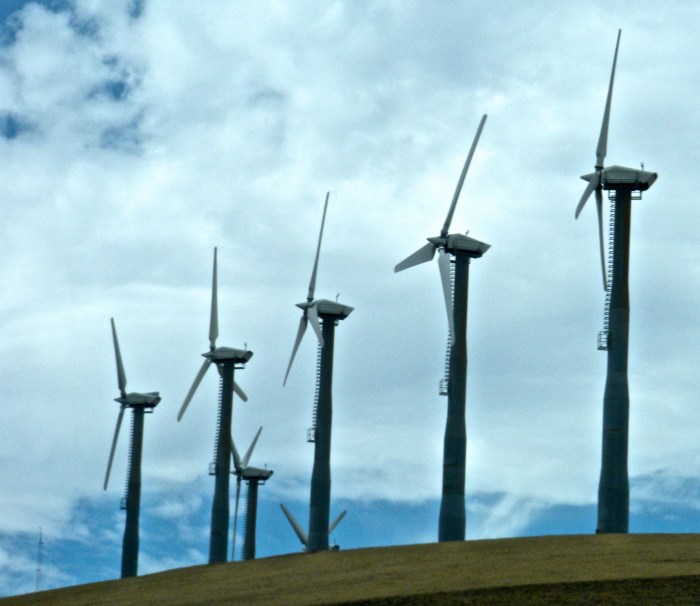
Wind farms have emerged as a symbol of sustainable energy, showcasing the potential of harnessing wind to generate electricity. Across the globe, several wind farms have demonstrated exceptional capabilities in both output and efficiency, contributing significantly to their local economies and energy grids. This section highlights notable examples, their successes, and the challenges they faced along the way.
Notable Wind Farms and Their Contributions
Various wind farms have made significant strides in renewable energy production. Below are some exemplary cases along with their key achievements:
| Wind Farm | Location | Installed Capacity (MW) | Annual Output (GWh) | Efficiency (%) |
|---|---|---|---|---|
| Gansu Wind Farm | China | 7,965 | 18,000 | 35 |
| Hornsea One | United Kingdom | 1,218 | 4,000 | 44 |
| Alta Wind Energy Center | USA | 1,548 | 4,000 | 34 |
| Lake Turkana Wind Power | Kenya | 310 | 1,700 | 43 |
| Walney Extension | United Kingdom | 659 | 2,000 | 40 |
The Gansu Wind Farm in China stands out with a staggering capacity of 7,965 MW and an annual output of 18,000 GWh, making it one of the largest in the world. Its success hinges on favorable wind conditions and significant government investment in renewable energy infrastructure.The Hornsea One in the UK is another remarkable example, with a capacity of 1,218 MW, showcasing efficient technology that translates wind into substantial energy output.
Its strategic location in the North Sea, where wind speeds are higher, contributes to its impressive efficiency of 44%.In the USA, the Alta Wind Energy Center operates with an installed capacity of 1,548 MW, overcoming challenges such as land acquisition and local opposition to become one of the leading wind farms in the region.Similarly, the Lake Turkana Wind Power project in Kenya has not only provided a reliable energy source but has also boosted local employment and economic activities, highlighting the socio-economic benefits of wind energy.
Success Factors and Challenges
Each of these wind farms faced unique challenges yet managed to thrive due to specific factors:
Government Support
Initiatives such as subsidies, tax incentives, and streamlined regulatory processes have played a crucial role in their establishment.
Technological Advancements
The evolution of turbine technology has allowed for increased efficiency and output, addressing earlier limitations.
Community Engagement
Successful projects often involve local communities in their development, ensuring buy-in and support, which mitigates opposition.
Financial Investment
Sufficient funding through public and private channels has been essential for overcoming initial setup costs and ongoing operations.Despite their successes, challenges remain. Issues such as environmental impacts, land use conflicts, and fluctuating market conditions can pose hurdles. However, the overall trajectory suggests a growing acceptance and integration of wind energy into national grids.
“Wind energy has proven to be a viable and sustainable alternative, paving the way for a cleaner future.”
Epilogue
As we look to the future, the role of wind turbines in our energy mix is poised to expand, driven by technological advancements and increasing environmental awareness. By harnessing the wind, we can significantly reduce our reliance on fossil fuels while fostering economic growth and job creation in the renewable energy sector. The journey of wind energy is just beginning, and its potential is as vast as the skies it captures.
FAQ
How do wind turbines work?
Wind turbines work by converting the kinetic energy of the wind into mechanical energy, which is then transformed into electrical energy by a generator.
What are the main benefits of wind energy?
Wind energy reduces greenhouse gas emissions, decreases reliance on fossil fuels, and can provide economic benefits through job creation.
Are wind turbines harmful to wildlife?
While they can pose risks to birds and bats, proper siting and technology improvements are helping to mitigate these impacts.
How much do wind turbines cost to install?
The installation cost of wind turbines varies, but on average, it can range from $1,200 to $1,700 per installed kilowatt, depending on various factors.
What is the lifespan of a wind turbine?
Most wind turbines have a lifespan of around 20 to 25 years, after which they can be refurbished or replaced.


![28 Healthy High-Protein Snacks to Keep You Full [Updated 2024]](http://enjioio.info/wp-content/uploads/2025/07/rxprotein-bars-ecomm-via-amazon-300x300.jpg)


